Buying a used car is exciting – the thrill of a new-to-you ride, the potential for a great deal! But let's be honest, it can also be a bit daunting. How do you know if you're getting a gem or a money pit? The secret lies in a thorough inspection. Don't rely solely on a shiny coat of paint or a smooth sales pitch. Empower yourself with this complete used car inspection checklist, designed for everyday buyers like you, to help you spot potential red flags and ensure your next car is a reliable companion.
The Exterior & Bodywork – First Impressions Matter
This is your first chance to play detective. Walk around the entire car, ideally in daylight. Take your time, get down low, and look from different angles.
- Body Panels: Look for inconsistencies in paint color or texture, wavy panels, or mismatched gaps between panels. These can indicate previous accident repairs. Push gently on panels – feel for any looseness or excessive flex.
- Rust: Check common rust spots: wheel wells, rocker panels (the bottom edge below the doors), around the windshield and rear window, and under the doors. Surface rust on certain components might be normal, but bubbling paint or large patches of deep rust are serious red flags.
- Tires: Inspect all four tires (and the spare, if accessible). Look for even wear across the tread. Uneven wear can point to alignment issues, worn suspension components, or improper inflation. Check the tire's sidewall for cracks or bulges. Don't forget to look for the tire's date code – old tires, even with good tread, can be unsafe.
- Lights & Glass: Test all lights – headlights (high and low beam), turn signals, brake lights, reverse lights, and hazard lights. Look for cracks or chips in the windshield and windows. Tiny chips might be repairable, but large cracks usually mean replacement.
- Fluid Leaks: Crouch down and look under the car for any fresh puddles or drips. Brown, black, red, or green fluids are indicators of leaks that need addressing.
Step Inside – The Interior & Electronics Deep Dive
Now, open the door and get comfortable (or uncomfortable, if it's a bad sign!). This is where you assess comfort, function, and cleanliness.
- Odor: Does it smell moldy, smoky, or heavily perfumed (often used to mask bad smells)? A persistent damp smell could indicate water leaks or neglect.
- Seats & Upholstery: Check for rips, tears, stains, or excessive wear. Pay attention to bolster wear on the driver's seat, which can indicate high mileage. Test seat adjustments and make sure all seatbelts latch and unlatch properly.
- Dashboard & Controls: Look for warning lights illuminated on the dash (Check Engine, ABS, Airbag, etc.) when the ignition is on (before starting). A quick note here: some sellers might try to clear these codes just before a viewing, but they often reappear. MMELEMENT's AI, by analyzing listing data and vehicle history, can sometimes flag a pattern of recent code clearing, giving you an early warning sign even before you physically inspect the car. Test all buttons, switches, and knobs: windows, mirrors, radio, climate control, wipers, horn.
- HVAC System: Make sure both the air conditioning and heater work effectively. Turn them on full blast – listen for strange noises.
- Pedals & Steering Wheel: Excessive wear on the brake, accelerator, or clutch pedals, or a very worn steering wheel, can suggest higher mileage than what the odometer displays.
- Headliner: Check for stains or sagging, which could point to water leaks.
Under the Hood – The Engine Bay Examination
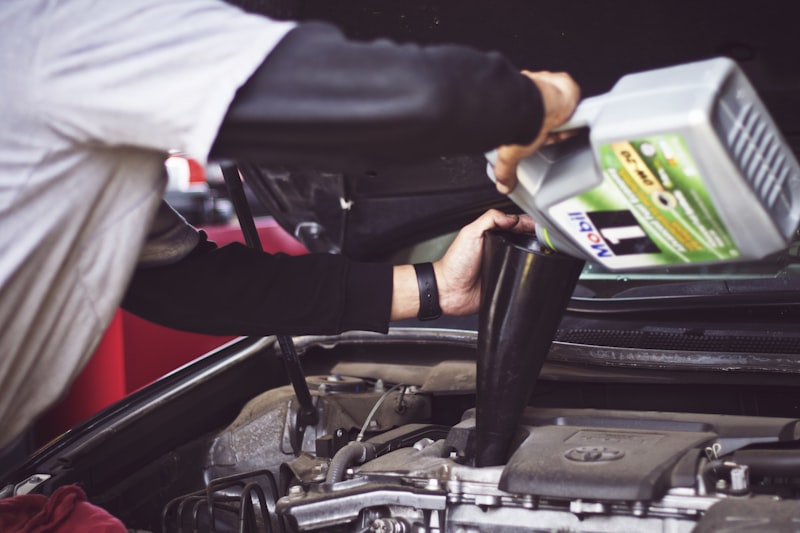
This part might seem intimidating, but a quick visual scan can tell you a lot. Don't be afraid to ask the seller if you can pop the hood.
- Cleanliness: While a perfectly detailed engine might be a good sign, an engine that's too clean could be trying to hide fluid leaks. Look for tell-tale residue if it seems suspiciously sparkling.
- Fluid Levels: Check oil (color and level – shouldn't be sludgy), coolant (color and level – shouldn't be rusty or murky), brake fluid, and power steering fluid.
- Belts & Hoses: Look for cracks, fraying, or bulging in belts and hoses. These are critical for the car's operation. Squeeze hoses gently – they should feel pliable, not rock-hard or mushy.
- Battery: Check for corrosion around the terminals. Look for a date sticker on the battery – batteries typically last 3-5 years.
- General Leaks: Look for any signs of active leaks around the engine block or components.
The Crucial Test Drive – Feel the Road
Never buy a car without a thorough test drive – ideally, one that replicates your daily commute (city, highway, bumps). This is your chance to assess how the car feels.
- Starting: Does the engine start easily without excessive cranking? Listen for any abnormal noises immediately after starting.
- Engine Performance: Does it accelerate smoothly? Are there any hesitations, stutters, or loss of power? Listen for knocking, ticking, or whining noises.
- Transmission: Automatic: Does it shift smoothly through all gears without jerking, slipping, or delayed engagement? Manual: Does the clutch engage smoothly? Do gears go in easily without grinding?
- Brakes: Test them safely at various speeds. The car should stop straight without pulling to one side. Listen for squealing, grinding, or pulsating sensations in the pedal.
- Steering: Does the steering feel tight and responsive, or is there excessive play? Does the car pull to one side while driving straight? Listen for groaning or whining when turning the wheel.
- Suspension: Drive over speed bumps or rough patches. Listen for clunks, squeaks, or excessive bounciness.
- Warning Lights: Pay attention to the dashboard during the drive. Does any warning light appear?
The Paper Trail – History and Documentation
Even with a perfect inspection, the car's history is vital. This is where much of the car's untold story resides.
- Vehicle History Report: Always get a CarFax or AutoCheck report. This is where MMELEMENT truly shines. While you're doing your physical inspection, MMELEMENT's AI is already working behind the scenes. It ingests and analyzes these history reports, looking for hidden red flags, inconsistencies, and comparing the vehicle's past to market norms. It can highlight things like undeclared accidents, title issues, odometer rollbacks, or service gaps that might not be obvious to the naked eye.
- Service Records: Ask for maintenance records. A well-maintained car is usually a reliable car. Look for consistent oil changes, brake service, and other crucial upkeep.
- Title: Ensure the title is clear, not salvaged, rebuilt, or flood-damaged. Verify the VIN on the title matches the VIN on the car (usually on the dashboard near the windshield and a sticker on the driver's door jamb).
Conclusion
Buying a used car doesn't have to be a gamble. By diligently following this inspection checklist, you're empowering yourself to make an informed decision, spot potential issues, and negotiate from a position of strength. Remember, knowledge is power, and taking your time can save you thousands of dollars and countless headaches down the road. Combine your sharp eye with the cutting-edge analytical power of AI, and you'll be unstoppable.
Ready to find your next perfect ride with confidence? Let MMELEMENT give you the ultimate deal intelligence. Our AI-powered platform analyzes millions of data points to arm you with insights no human can match, helping you uncover hidden value and avoid costly mistakes.
Uncover hidden value and avoid costly mistakes. Start your smarter used car search at mmelement.com now!
Ready to Buy Smarter?
Use MMELEMENT's free AI scanner to detect hidden problems, analyze deals, and negotiate with confidence — before you sign anything.
Scan Your Next Car Free →
 Inspections